The Arabian oryx was declared extinct in the wild in 1972. The Dubai Desert Conservation Reserve, the 225-square-kilometre protected area that surrounds Al Maha, is one of the places that brought it back. There are now over 500 animals roaming the reserve, and on any given morning, several of them will be grazing within clear sight of your private infinity pool. That is not a staged encounter. It is simply what happens when you build a hotel inside a functioning wildlife sanctuary and then protect it properly.
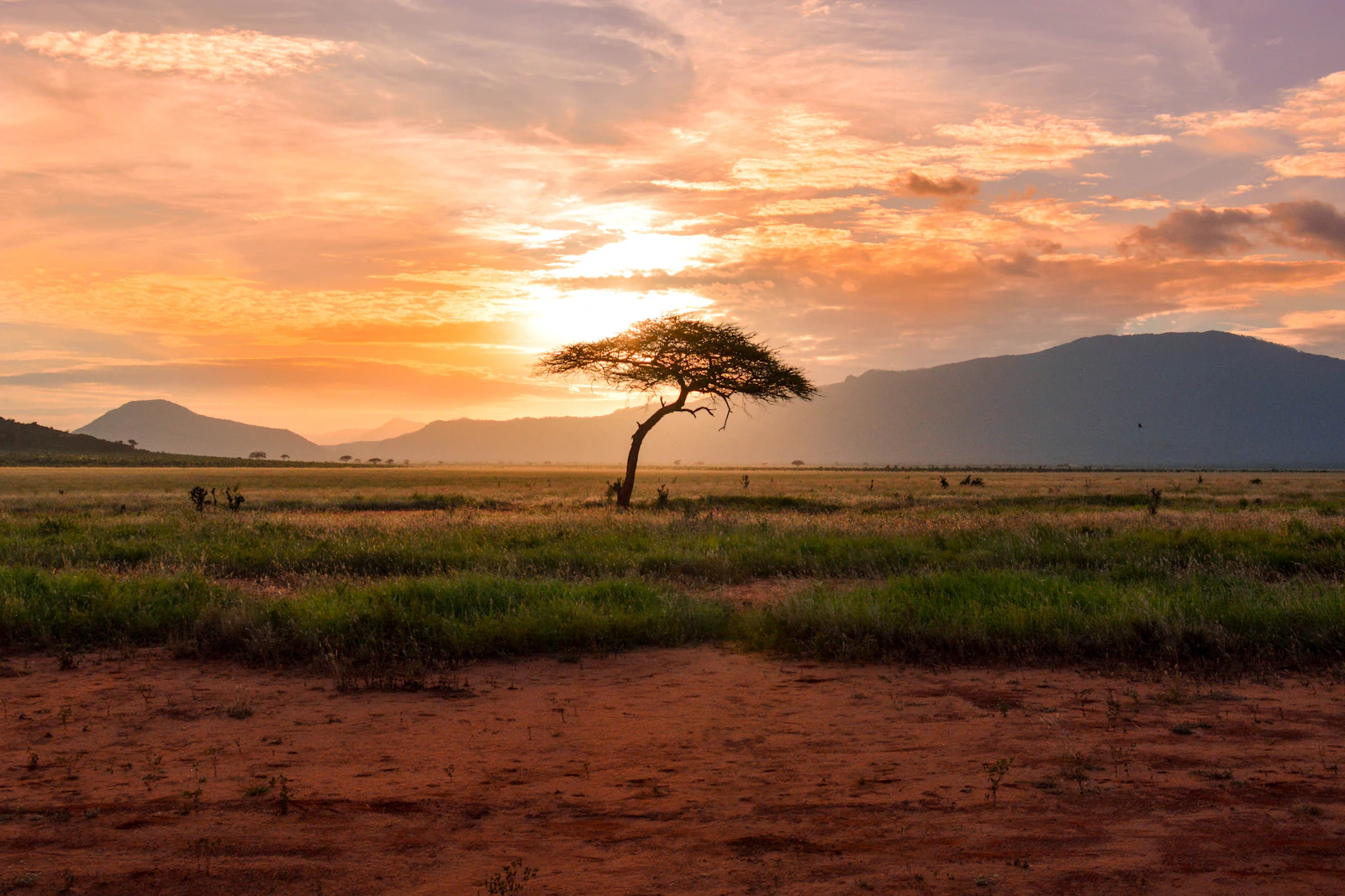
Al Maha is the answer to a question most Dubai visitors don’t think to ask: what does the emirate look like without the city? The answer is a desert of considerable beauty and silence — flat, golden, with ghaf trees and the occasional flash of a sand gazelle — and 42 suites arranged low in the landscape like Bedouin ma’jan camps, sand-coloured with canvas overhangs. The interiors don’t try to be anything other than genuinely comfortable: large beds with handwoven textiles, freestanding baths, floor-to-ceiling doors opening onto a private deck and that infinity pool, which is positioned to appear to flow into the open desert beyond the fence.
The falconry programme earns its place in the itinerary. Emirati falconry is recognised by UNESCO as Intangible Cultural Heritage, and Al Maha’s falconers approach it as practitioners rather than performers. The sessions give guests time with the birds: feeling the weight of a falcon on a gloved fist, learning to call it, beginning to understand the working partnership between human and raptor that developed over four thousand years in this landscape and is still actively practised across the Gulf.
Dining is all-inclusive — Gulf fish, slow-cooked lamb, saffron rice, date preparations — served either in the Bedouin-styled restaurant or on the private deck. Adults only, strictly held. The combination of conservation mission, genuine wildlife sightings, and the absence of any children produces an atmosphere that the city forty-five kilometres away cannot replicate, which is exactly the point.