The savanna turns amber in early morning light. Your guide spots a cheetah moving through long grass three hundred metres out and cuts the engine. Silence. The animal pauses, reads the air, and continues across the plain as if you don’t exist. By 8:30am you’re back at camp — fresh fruit, strong coffee — watching elephants work their way toward the waterhole your dining deck overlooks. A standard morning at a good African safari lodge. Not a highlight. Just Tuesday.
The finest safari lodges share certain qualities regardless of price point or country: a genuine wilderness position within or adjacent to protected game areas with high wildlife density; small guest numbers that allow flexible, personalised game drive scheduling; expert naturalist guides who can read landscape and anticipate animal behaviour; and a level of hospitality in food, service, and physical comfort that turns extreme locations into genuinely pleasurable places to live for several days.
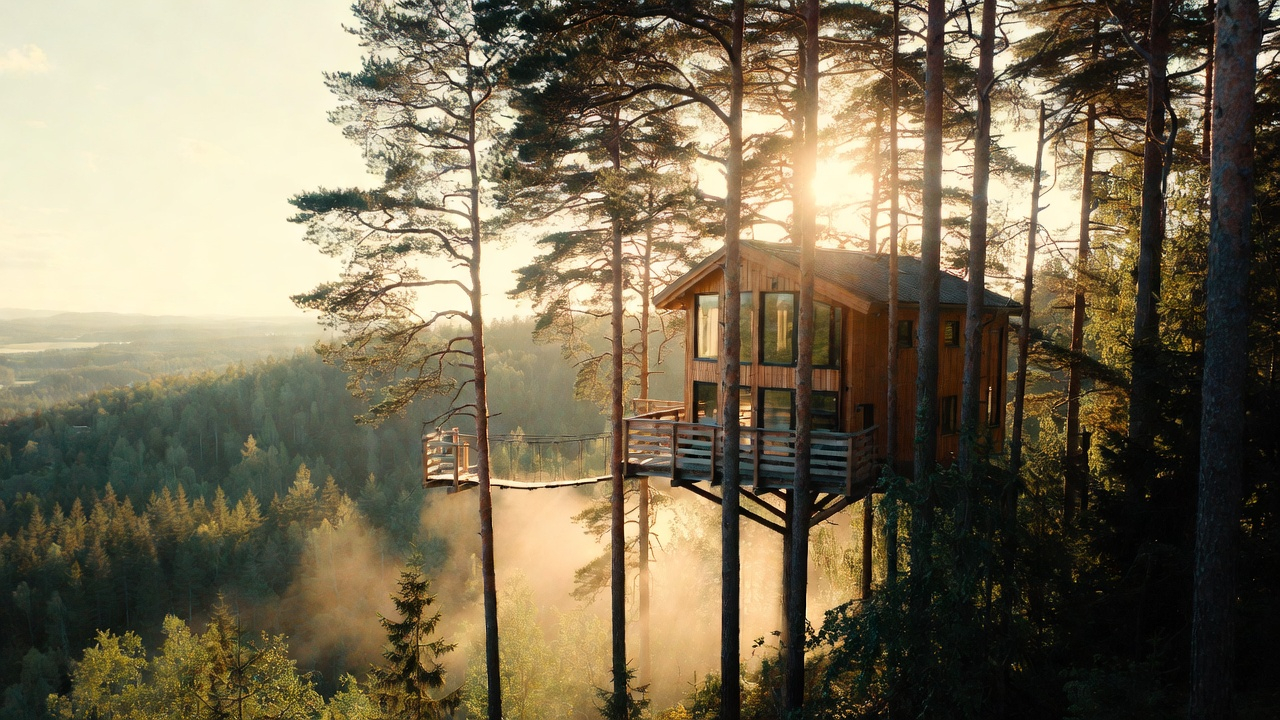
The classic form is the permanent tented camp — open-fronted canvas structures with hardwood floors, proper beds dressed in quality linen, en-suite bathrooms that often include outdoor showers. Bush lodges take the concept into more substantial architecture: stone-and-timber structures with private plunge pools on decks overlooking waterholes or riverbanks. Some contemporary safari properties push considerably further, with suspended walkways, glass-walled sleeping rooms, and architectural ambition that would draw attention anywhere on earth.
The wildlife access is categorically different from any zoo, reserve, or drive-through park. These animals are genuinely wild and genuinely free. A leopard dragging prey into an acacia tree, a lion pride defending a buffalo kill, a wild dog pack returning from a morning hunt — these encounters happen because they happen, in an ecosystem you’ve been dropped into. The vehicle has simply become familiar enough that the wildlife ignores it.
Walking safaris with armed rangers change your relationship with the bush entirely. At ground level, scale and complexity reveal themselves in ways invisible from a vehicle: animal tracks, insect architecture, the layered acoustics of the African bush. Night drives open access to civets, aardvarks, genets, and the acoustic experience of the African night that day visitors never hear.
The Serengeti, Tanzania delivers year-round big cat sightings and hosts the Great Migration from December through July as wildebeest follow the rains north. Mobile camps that relocate to track the migration provide the most direct access. Kenya’s Maasai Mara is the northern terminus of the migration and home to the river crossings — one of the most dramatic wildlife spectacles on earth — from July to October.
Botswana’s Okavango Delta is an intricate system of channels, islands, and floodplains supporting high wildlife density and accessible by mokoro (dugout canoe) from camp. Botswana operates on a high-value, low-impact conservation model, which means smaller guest numbers, higher prices, and correspondingly exceptional wildlife encounters. South Africa’s private game reserves adjoining Kruger National Park offer the Big Five with easier logistics and exceptional lodge design — a solid entry point for first-time safari travellers.
Minimum three nights. Four to five is better. The rhythm of early mornings and late afternoons needs time to establish itself, and meaningful wildlife encounters accumulate with days on the ground rather than hours. Pack neutral colours — khaki, olive, grey — for game drives. Avoid blue, which attracts tsetse flies in some regions.
For guests extending their Africa trip, jungle lodges in Uganda and Rwanda offer mountain gorilla trekking in montane rainforest: a compelling counterpart to the savanna experience.