Where are you going next?
90+ destination guides, built around the hotels worth the trip. Pick a country, find your room.
Europe
(2)
Scotland
Scotland's ancient landscapes, from the mist-draped Highlands and brooding sea lochs to whisky distillery valleys and island archipelagos, offer some of the world's most atmospheric and storied travel experiences. A land of dramatic castles, wild coastlines, and extraordinary character, it rewards slow, curious exploration.

Tuscany
Italy
Tuscany is one of Italy's most rewarding destinations for accommodation: converted monastery hotels, vineyard estate rooms, and medieval borgo retreats clustered around the Val d'Orcia, Chianti, and the hill towns of Siena province.
North America
(24)
Hawaii
USA
Hawaii is not one destination but eight, each island a distinct world of volcanic landscapes, rainforest valleys, surf culture, and Pacific-Polynesian heritage. From the active lava flows of the Big Island to Maui's road to Hana and Kauai's impossibly green Na Pali cliffs, the archipelago offers some of North America's most extraordinary natural environments.

Colorado
USA
Colorado is where the American West reaches its most dramatic elevation, a state of 14,000-foot peaks, red rock canyon country, alpine meadows blazing with wildflowers, and towns that evolved from silver and gold mining camps into some of North America's most character-rich mountain destinations.

Alaska
USA
Alaska is the last genuinely wild frontier in America, a state larger than Texas, California, and Montana combined, where grizzly bears fish for salmon in rivers you can drink from, glaciers calve into fjords with cathedral acoustics, and the northern lights ignite the winter sky in colors no photograph ever quite captures.
Montana
USA
Montana earns its nickname, Big Sky Country delivers exactly that: a sky so vast and unobstructed that weather systems become spectacles and sunsets last an hour. It is a state of glacier-carved peaks, trout-filled rivers, working cattle ranches, and more wildlife per square mile than almost anywhere in the continental United States.
Maine
USA
Maine is New England's wild edge, a state of 3,500 miles of ragged coastline, lobster shacks on working wharves, lighthouses on granite headlands, and interior wilderness so vast that Baxter State Park alone is larger than Rhode Island. It is a place where the Atlantic feels genuinely powerful and the forest feels genuinely old.
Vermont
USA
Vermont is America's most European corner, a small, densely beautiful state of covered bridges, village greens with white-steepled churches, maple forests that ignite in October, and a farm-to-table food culture rooted in genuine agricultural tradition. It is a destination where the landscape and the local economy are still meaningfully connected.
California Big Sur
USA
Big Sur is California's most dramatic coastal wilderness, 90 miles of cliff-hanging Highway 1, redwood canyons plunging to the Pacific, and a long tradition of artists, writers, and seekers who came here for the edge of the continent and stayed for the light. It is a destination where the line between accommodation and landscape dissolves entirely.
Great Smoky Mountains
USA
The Great Smoky Mountains straddle the Tennessee-North Carolina border with a biological richness that earned UNESCO World Heritage status, more tree species than all of northern Europe, over 19,000 documented species, and a rolling blue-hazed ridgeline that has drawn travelers since long before the national park was established in 1934.
Arizona Sedona
USA
Sedona is one of America's most visually arresting destinations, a small Arizona city surrounded by cathedral-like red rock formations that glow orange and crimson at sunrise and sunset. It combines serious hiking and mountain biking with a resort culture built around wellness, spiritual retreats, and some of the Southwest's most architecturally distinctive accommodation.
Pacific Northwest USA
USA
The Pacific Northwest is America's most climatically dramatic corner, a region where rain-soaked temperate rainforests meet volcanic peaks, where Columbia River Gorge waterfalls crash into wine country, and where the cities of Seattle and Portland have quietly built some of the country's most interesting food and culture scenes.
Texas Hill Country
USA
Texas Hill Country is the state's best-kept secret from the rest of the country, a landscape of limestone bluffs, spring fed rivers, wildflower meadows, and cypress-shaded swimming holes that bears almost no resemblance to the flat, dusty Texas of popular imagination. It is also a wine region of growing international significance.
Utah, Zion, Bryce & Arches
USA
Utah's Colorado Plateau contains the highest concentration of extraordinary national parks on earth, Zion, Bryce Canyon, Arches, Canyonlands, and Capitol Reef within a day's drive of each other. This is ancient red rock country, a landscape of natural arches, slot canyons, and hoodoo formations so surreal they read as geology's attempt at abstract sculpture.
Wyoming Yellowstone
USA
Yellowstone is America's first national park and its most geologically violent, a supervolcano caldera that produces more geothermal features than the rest of the world combined, and a wildlife ecosystem so intact that gray wolves, bison, grizzly bears, and elk still interact as they have for millennia. The Grand Teton range rises just to the south, creating one of the American West's most complete wilderness destinations.
New Mexico Santa Fe
USA
Santa Fe is America's most culturally layered destination, a city where Pueblo, Spanish colonial, and Anglo American cultures have been negotiating the same high desert landscape for a thousand years, producing a built environment, cuisine, and arts scene unlike anything else in the country. At 7,000 feet in the Sangre de Cristo Mountains, it is also one of the most dramatically situated small cities in North America.
Oregon Coast
USA
Oregon's 363-mile Pacific coastline is among America's most wild and uncommercial, a continuous stretch of public beaches (Oregon law ensures all beaches are publicly owned), sea stacks, sea caves, tidal pools, and old-growth forest reaching almost to the water's edge. It is a destination for travelers who want dramatic coastal scenery without the resort development that has transformed much of the California coast.
Washington Olympic Peninsula
USA
The Olympic Peninsula is one of America's last true wildernesses, a roadless interior of glaciated peaks, temperate rainforests receiving up to 14 feet of rain annually, and a wild coastline of sea stacks and tide pools within the boundaries of Olympic National Park. It is a destination of genuine ecological extremity, where three entirely different ecosystems coexist within a few hours' drive.
New York Catskills
USA
The Catskills are New York City's mountain backyard, a landscape of hardwood ridges, cold trout streams, and weathered farmsteads within two hours of the city that has been absorbing urbanites seeking nature since the Hudson River School painters arrived in the 1820s. The region has undergone a significant transformation in the past decade, with a wave of creative people converting old boarding houses and farm properties into some of the most distinctive small accommodation in the American Northeast.
Michigan Upper Peninsula
USA
Michigan's Upper Peninsula is America's most overlooked wilderness, 16,000 square miles of boreal forest, 1,700 miles of Great Lakes shoreline, and waterfalls more numerous than any state east of the Rockies, separated from the Lower Peninsula by the Straits of Mackinac and from most travelers' itineraries by sheer distance. The UP, as locals call it, rewards the effort with a quality of solitude and natural beauty that feels genuinely rare in the eastern United States.
Florida Keys
USA
The Florida Keys are a 120-mile arc of coral islands connected by the Overseas Highway, the only road in America that runs over open ocean for miles at a stretch. They offer the most accessible tropical reef diving in the United States, a laid-back culture that genuinely earns the word, and accommodation ranging from barefoot fishing camps to thoughtfully designed boutique properties that have made Key West one of America's most distinctive small cities.
Georgia Blue Ridge
USA
North Georgia's Blue Ridge Mountains offer the American South's most accessible mountain escape, a landscape of rolling blue ridges, apple orchards, cold trout streams, and small mountain towns that have transformed into destinations for farm-to-table dining, craft distilleries, and some of the Southeast's most imaginative cabin accommodation. It is where Atlanta residents go to exhale, and where travelers discover a mountain South with a distinct identity and genuine charm.
North Carolina Outer Banks
USA
The Outer Banks are a 200-mile chain of barrier islands off the North Carolina coast, the longest stretch of undeveloped seashore on the American East Coast, a place of wild beaches, migratory bird concentrations of global significance, and the history-saturated landscape where the Wright Brothers flew and the Lost Colony of Roanoke vanished. They offer a coastal experience genuinely different from any other on the Eastern Seaboard.
Idaho Sun Valley
USA
Sun Valley is America's original destination ski resort, created by Union Pacific Railroad in 1936 to fill passenger trains, and it has evolved into a year-round mountain destination that combines exceptional skiing, summer fly fishing, and hiking with a small-town sophistication that draws celebrities, serious outdoor athletes, and travelers who want the mountains without pretension. The Wood River Valley below Bald Mountain is one of the most livable mountain environments in the American West.
Nevada Great Basin
USA
Nevada's Great Basin is America's most undervisited landscape, a vast high desert of ancient bristlecone pine forests, mountain ranges rising above 13,000 feet from the valley floors, Lehman Caves' extraordinary stalactite formations, and night skies so dark that Great Basin National Park was designated one of America's first International Dark Sky Parks. It is a destination for travelers who value solitude, geological time, and the particular beauty of a land without drainage to the ocean.
Minnesota Boundary Waters
USA
The Boundary Waters Canoe Area Wilderness is America's most canoed wilderness, one million acres of boreal forest, 1,200 lakes, and 1,500 miles of canoe routes along the Minnesota-Canada border. It is a destination defined by portaging and paddling, by loons calling across still water at dawn, and by a quality of stillness that most Americans have never experienced in their own country.
Middle East
(3)
Turkey
From the cave-carved valleys of Cappadocia to the turquoise coasts of the Aegean, Turkey offers some of the world's most dramatic and historically rich travel experiences.

Oman
Oman is the Middle East's most quietly spectacular secret, a vast, ancient country of desert wadis, dramatic fjords, soaring mountain ranges, and an Arabian coastline that has barely changed in centuries. Hospitable, safe, and visually astonishing, it offers a version of the region unmarred by overcrowding or artifice.

Dubai & UAE
Dubai and the UAE have engineered a travel experience unlike anywhere else on earth, a collision of futuristic architecture, desert landscapes, ancient Bedouin culture, and some of the world's most audacious hotels, all compressed into a stretch of Arabian coastline that was largely undeveloped fifty years ago.
More places

Maldives
An archipelago of 1,200 coral islands scattered across the Indian Ocean, the Maldives is synonymous with overwater bungalows, crystalline lagoons, and some of the world's most pristine marine ecosystems. This is where barefoot luxury was invented, and where it continues to be perfected.

Bora Bora
A volcanic peak rising from an impossibly turquoise lagoon, ringed by a coral necklace of motu islets, Bora Bora is one of the Pacific's most iconic landscapes. The overwater bungalow was born here in 1967, and the island remains the gold standard for romantic, remote luxury.

Cappadocia
A surreal volcanic landscape of fairy chimneys, underground cities, and rock-carved churches rising from the high Anatolian plateau, Cappadocia is one of earth's most otherworldly destinations. Sleep in a cave carved by Byzantine monks, then float over the valley in a hot air balloon at sunrise.

Swedish Lapland
Above the Arctic Circle in Sweden's far north, Swedish Lapland is a wilderness of ancient Sami reindeer trails, frozen rivers, and skies that ignite with the northern lights. This is where you sleep in a glass igloo, dog-sled through snowbound spruce forests, and spend polar nights searching the sky for aurora.

Japan
An archipelago of four main islands and nearly 7,000 smaller ones where ancient forests meet neon-lit cities, bullet trains connect opposite coasts in hours, and the world's most refined hospitality tradition — the ryokan — coexists with capsule hotels. Japan rewards any level of engagement from a two-week first visit to a lifetime of return.

Kenya
The birthplace of the modern safari, Kenya remains the benchmark against which all African wildlife experiences are measured. From the Maasai Mara's great wildebeest migration to the elephant herds of Amboseli silhouetted against Kilimanjaro, this is wildlife travel at its most cinematic.

Tanzania
Home to the Serengeti, Ngorongoro Crater, Zanzibar's spice-scented islands, and the roof of Africa on Mount Kilimanjaro, Tanzania packs more unmissable landmarks per square kilometre than almost any country on earth. It is wildlife travel and island escape combined in a single extraordinary destination.
Iceland
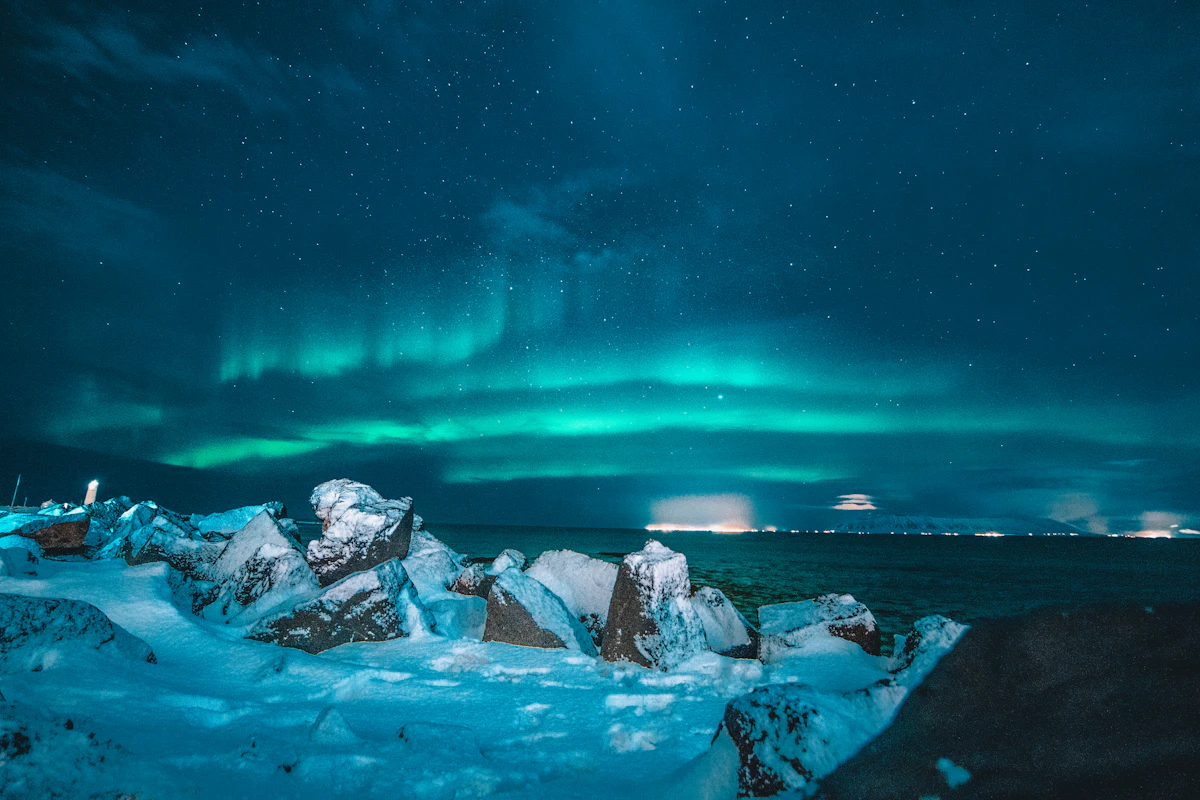
A volcanic island of fire and ice where geysers erupt beside glaciers, black sand beaches meet the midnight sun, and the northern lights dance over steaming hot springs. Iceland is one of the world's most geologically active landscapes, and one of its most dramatic.

Norway
A kingdom of staggering fjords, Arctic archipelagos, and some of Europe's wildest coastline, Norway rewards slow travel with landscapes that shift from pastoral to genuinely primeval within an hour's drive. The fjords are UNESCO-listed for good reason, there is nothing quite like them anywhere else on earth.

Finland
A country of 188,000 lakes, ancient forests, and the purest sauna culture on earth, Finland is where Arctic wilderness meets Nordic design precision. In winter, stay in a glass-roof cabin on a frozen lake watching the northern lights; in summer, canoe through an archipelago that never fully gets dark.

Matera
One of the world's oldest continuously inhabited cities, Matera's ancient sassi (cave dwellings) tumble down a ravine in southern Italy's Basilicata region, looking much as they have for 9,000 years. A former city of poverty that now UNESCO World Heritage-listed and European Capital of Culture, Matera is the unlikely resurrection story of the century.

Patagonia
Stretching across the southern tip of South America, Patagonia is a wilderness of jagged granite peaks, turquoise glacial lakes, and Andean steppe that seems to stretch to the end of the world. Shared between Chile and Argentina, this remote region rewards those who travel far and stay long.

Costa Rica
A sliver of Central America containing 5% of the world's biodiversity, Costa Rica pioneered ecotourism before anyone had coined the term. From cloud forest canopy walks above Monteverde to the Arenal volcano's lava fields and the Osa Peninsula's near-untouched rainforest, this is the world's most successful model of nature-first travel.

Brazil
The world's fifth-largest country by area, encompassing the Amazon basin (the largest river system on earth), the Pantanal (the world's largest tropical wetland), the Atlantic Forest, and a 7,400-kilometre coastline. Brazil's ecological range is matched by cultural depth — five centuries of Portuguese, African, indigenous, and immigrant influences that produced a culture of singular vitality.
Ecuador
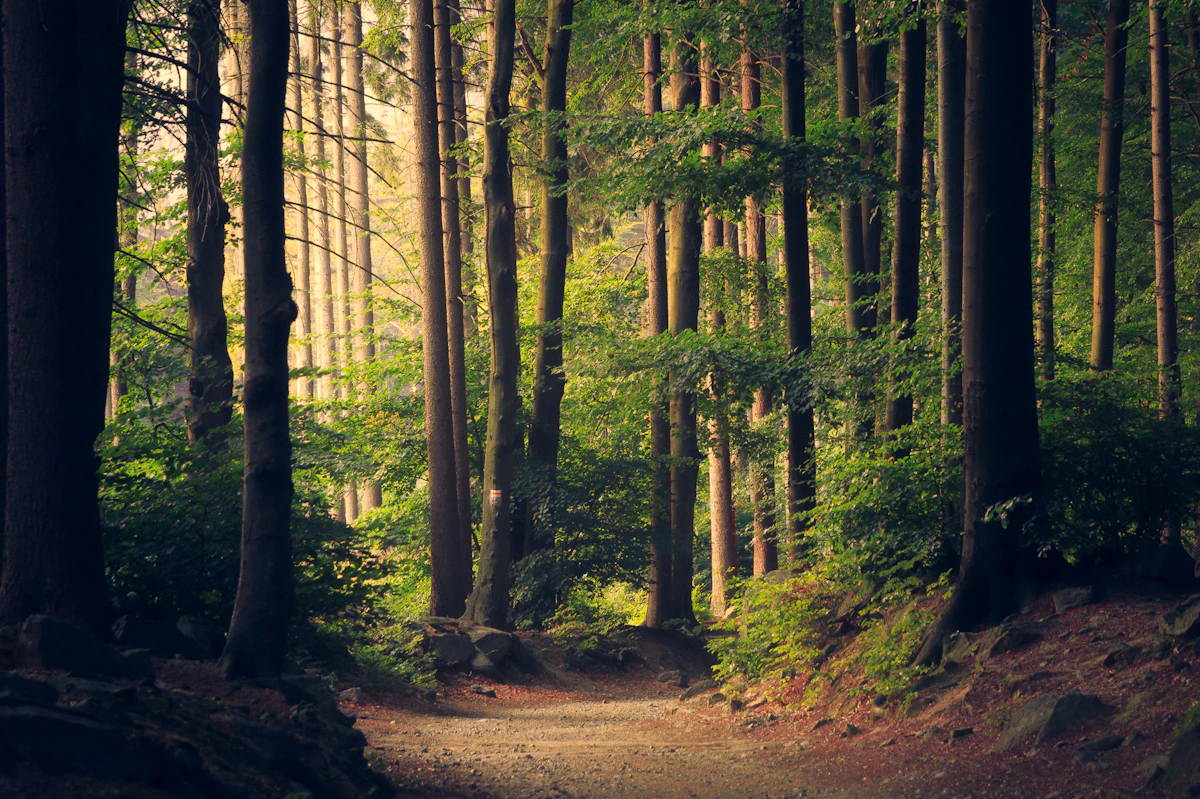
A country the size of Colorado containing four distinct ecosystems — the Amazon basin, the Andean highlands, the Pacific coast, and the Galápagos Islands — stacked on top of each other within a few hours' drive. Ecuador's biodiversity density is among the highest on earth per unit area, and its cloud forests on the western Andean slopes are home to species found nowhere else.

Israel
A country the size of New Jersey compressed with more historical and religious significance per square kilometre than almost anywhere on earth. Jerusalem holds the holiest sites of three Abrahamic religions within walking distance; the Negev Desert in the south extends to Eilat on the Red Sea; the Galilee in the north rises to 1,200 metres with vineyards and ancient ruins. Israel's food culture — the original Mediterranean diet, elevated — is one of the world's great contemporary cuisines.

Argentina, Mendoza
Mendoza is South America's wine capital, a prosperous Andean city sitting at the foot of the Andes where Malbec grapes thrive at altitude and boutique wine lodges embedded within working vineyards offer some of the continent's most sophisticated accommodation. The Aconcagua massif and high Andean passes add dramatic adventure to what is already a destination with serious food and wine credentials.

Arizona Grand Canyon
The Grand Canyon is the most dramatic geological exposure on Earth, a mile-deep chasm through 1.8 billion years of rock carved by the Colorado River across five million years. Beyond the rim-view crowd, a world of inner canyon hiking, Colorado River rafting, and North Rim wilderness offers accommodation experiences that transform one of the world's most visited sites into something genuinely intimate.

Australian Outback
The Australian Outback is one of the planet's last great empty spaces, an ancient red landscape of ochre plains, impossibly blue skies, and Aboriginal rock art tens of thousands of years old. Uluru and the surrounding desert country offer a profoundly moving encounter with both geology and human history unlike anywhere else on earth.
Bali, Indonesia
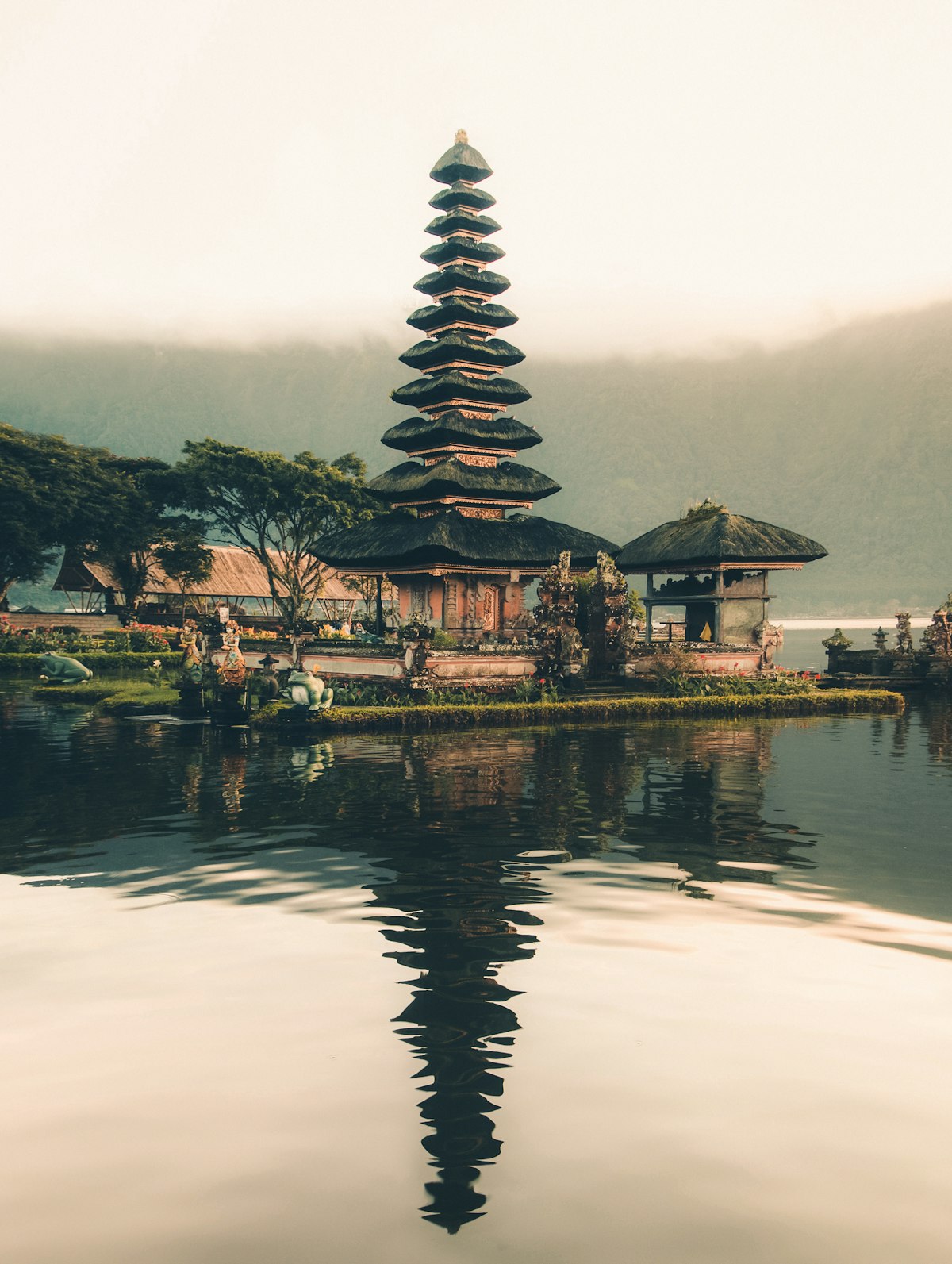
A small island of extraordinary spiritual richness, Bali blends terraced rice paddies, ancient Hindu temples, and dense jungle with a exceptional hospitality culture that has produced some of Asia's most inventive boutique hotels. Beyond the tourist strip of Seminyak lies a landscape of immense beauty and genuine cultural depth.

Bhutan
Bhutan is the world's only carbon-negative country, a Buddhist Himalayan kingdom that measures national success in Gross National Happiness rather than GDP, and the last truly high value, low volume destination on earth. Its dzongs (fortress-monasteries), tiger's nest monasteries, and pristine high-altitude landscapes remain among the most extraordinary in Asia.
Botswana
Botswana has built its entire tourism identity on a single, powerful idea: fewer visitors, higher spending, greater conservation impact. The result is the finest premium safari experience in Africa, vast private concessions of unfenced wilderness, elephant populations of 130,000 animals, and the singular beauty of the Okavango Delta, the world's largest inland river delta and one of its last great wildernesses.
California Joshua Tree
Joshua Tree National Park sits at the convergence of two desert ecosystems, the Mojave and the Colorado, creating a landscape of otherworldly rock formations, twisted Joshua trees, and skies that rank among the darkest in Southern California. The surrounding high desert communities have developed one of the most creative and thoughtfully designed accommodation cultures in the American Southwest.

Cambodia
Cambodia is home to Angkor Wat, the largest religious monument on earth and one of humanity's most extraordinary architectural achievements, surrounded by a jungle landscape dotted with boutique eco-lodges, heritage hotels, and floating villages on the vast Tonle Sap lake. Beyond the temples, Cambodia's coastline and island groups offer increasingly compelling beach retreats.

Chile, Atacama Desert
The Atacama Desert is the driest non-polar desert on earth, a vast high-altitude plateau of salt flats, volcanic geysers, flamingo lagoons, and night skies so clear that the world's largest observatory network is concentrated here. Boutique desert lodges in San Pedro de Atacama offer atmospheric accommodation at the edge of one of the planet's most alien landscapes.

Colombia, Cartagena
Cartagena de Indias is South America's most beautifully preserved colonial city, a walled Caribbean port where 16th-century Spanish fortresses, bougainvillea-draped plazas, and candy-colored mansions have been converted into some of the continent's most atmospheric boutique hotels. Beyond the old city walls, the Rosario Islands and the Caribbean coast offer increasingly extraordinary beach and island escapes.
Ecuador & the Galápagos
The Galápagos Islands are the planet's greatest laboratory of evolution, 127 islands and islets where animals evolved without natural predators and remain fearless of human visitors. Ecuador's mainland adds cloud forest reserves, the Amazon basin, and Quito's extraordinary colonial old town to create one of South America's most diverse travel itineraries.
Ethiopia
Ethiopia is Africa's most historically layered destination, an ancient highland kingdom with its own alphabet, calendar, and Christian Orthodox tradition that predates Europe's by centuries. From the rock-hewn churches of Lalibela to the tribal cultures of the Omo Valley and the surreal landscapes of the Danakil Depression, Ethiopia offers experiences that genuinely exist nowhere else on earth.
French Polynesia
French Polynesia spans 118 islands and atolls across a stretch of Pacific Ocean larger than Western Europe, where overwater bungalows sit above lagoons so clear you can count the coral heads below. Tahiti, Bora Bora, Moorea, and the remote Tuamotu atolls deliver some of the most extravagant and ecologically significant accommodation experiences in the world.

Greece, Santorini
Santorini is the most visually iconic island in Europe, a volcanic caldera rim of whitewashed villages and blue-domed churches above a sea that is technically the crater of one of the largest eruptions in human history. Cave hotel suites carved directly into the volcanic cliff face of Oia and Imerovigli offer accommodation that is simultaneously ancient, otherworldly, and impeccably luxurious.

India, Kerala
Kerala is India's softer, greener edge, a narrow coastal state of Arabian Sea beaches, backwater lagoons, spice-scented hill stations, and some of the country's finest food. Traditional Kerala houseboat stays on the Alleppey backwaters and boutique plantation retreats in the Wayanad and Munnar highlands offer accommodation experiences entirely unlike anywhere else in India.

India, Rajasthan
Rajasthan is India at its most cinematic, a vast desert state where Mughal and Rajput history left behind a landscape of improbable forts, painted palaces, and royal haveli mansions. The conversion of these extraordinary historic structures into heritage hotels has produced some of the world's most atmospheric accommodation, from palace hotels in Jaipur and Udaipur to tented desert camps beneath the dunes of Jaisalmer.
Indonesia, Komodo
The Komodo archipelago in Indonesia's Nusa Tenggara region is home to the world's largest living lizard, some of the richest marine biodiversity on earth, and a rugged, volcanic landscape of pink-sand beaches and emerald bays that has few rivals for raw natural drama. Liveaboard dive vessels and eco-lodges on Flores serve as the gateway to one of Asia's last true wilderness destinations.
Japan, Kyoto & Beyond
Kyoto is the spiritual and cultural heart of Japan, a city of 1,600 Buddhist temples, 400 Shinto shrines, and 17 UNESCO World Heritage Sites that somehow functions as a living, working city rather than an outdoor museum. Beyond the imperial capital, Japan's ryokan inns, forest onsen, and mountain village guesthouses offer the world's most refined intimate accommodation tradition.

Jordan
Jordan packs an extraordinary density of world-historical significance into a small country: Petra's rose-red Nabataean city, Wadi Rum's Martian desert landscape, the Dead Sea's hypnotic salt flats, and the Roman ruins of Jerash. It is one of the Middle East's most welcoming and accessible destinations, with an accommodation scene that has embraced the drama of its landscape.
Kentucky Bourbon Trail
Kentucky's Bourbon Trail winds through the rolling limestone hills and horse farm country of the Bluegrass State, passing distilleries that produce 95% of the world's bourbon supply amid some of the most pastoral scenery in the American South. Travelers come for whiskey tourism, equestrian heritage, and an increasingly sophisticated accommodation scene built around farm estates, bourbon-country inns, and celebrated horse country properties.

Laos, Luang Prabang
Luang Prabang is the most perfectly preserved royal city in Southeast Asia, a UNESCO World Heritage peninsula where saffron-robed monks, French colonial architecture, and ancient Lao temples coexist in unhurried harmony. Intimate boutique hotels housed in converted colonial mansions and riverside villas offer some of the most atmospheric accommodation in the region.
Louisiana Bayou
Louisiana's bayou country is one of North America's most ecologically and culturally singular landscapes, a vast network of slow waterways, cypress swamps, and coastal wetlands inhabited by alligators, roseate spoonbills, and communities descended from Acadian, Creole, and Native American traditions. Travelers come for food culture, Cajun and Zydeco music, and stays in a wetland world unlike anything else in the United States.
Madagascar
Madagascar is biology's greatest experiment, an island the size of France that split from Africa 165 million years ago, allowing evolution to take a path found nowhere else on earth. Over 90% of its wildlife is endemic: ring-tailed lemurs, fossa, 100 species of chameleon, and the famous Avenue of Baobabs. For travellers who love nature at its strangest, Madagascar is the planet's most singular destination.
Massachusetts Cape Cod
Cape Cod is a 70-mile peninsula curling into the Atlantic off the Massachusetts coast, a landscape of kettle ponds, salt marshes, dune-backed beaches, and weathered shingle cottages that has drawn artists, writers, and summer visitors for over a century. The Cape's outer reaches, protected within the Cape Cod National Seashore, offer some of the most pristine coastal landscapes in the Northeast.

Morocco & the Atlas Mountains
Morocco layers ancient medinas, Saharan sand dunes, and the snow capped High Atlas Mountains into a single country of extraordinary contrasts. From the labyrinthine souks of Fez to the silence of the Erg Chebbi dunes at dawn, it offers one of the world's most richly sensory travel experiences, and an accommodation culture of unmatched craft and beauty.
Mozambique
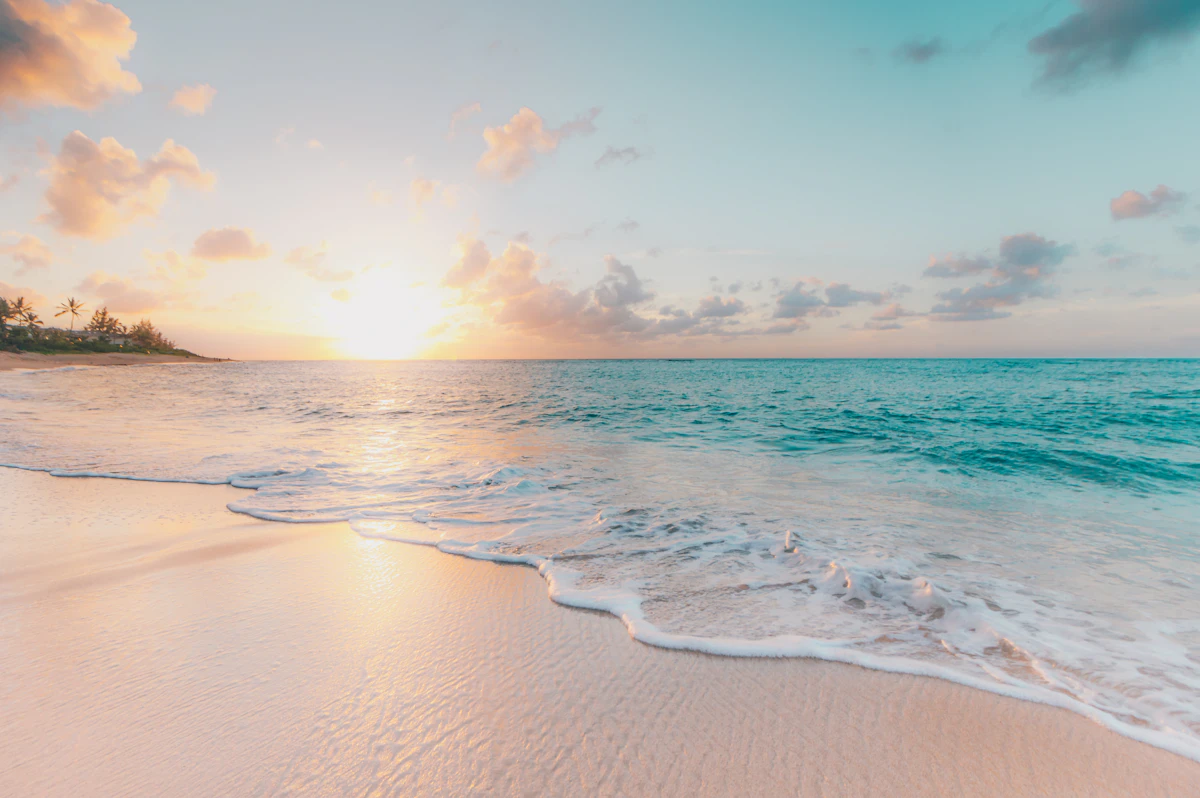
Mozambique is Africa's most underrated beach and marine destination, a 2,500-kilometer Indian Ocean coastline of powder-white beaches, dhow-sailing archipelagos, and coral reef systems that rival the Maldives in clarity and diversity. Remote island lodges and barefoot-luxury beach camps offer an intimacy and wildness that more famous Indian Ocean destinations have long since lost.

Myanmar, Inle Lake
Inle Lake is one of Southeast Asia's most atmospheric destinations, a vast highland lake in Myanmar's Shan State where the Intha people live on floating villages, farm gardens suspended on the water, and navigate by standing on one leg to row. Stilted hotels and intimate boutique retreats built over the lake itself offer an accommodation experience found nowhere else on earth.
Namibia
Namibia is Africa's great emptiness, a country twice the size of California with a population of fewer than three million, where the world's oldest desert meets a skeleton coast of shipwrecks and seal colonies, and where the dunes of Sossusvlei rank among earth's most extraordinary landscapes. It is also home to one of the continent's most sophisticated conservation-based tourism models.
Nepal
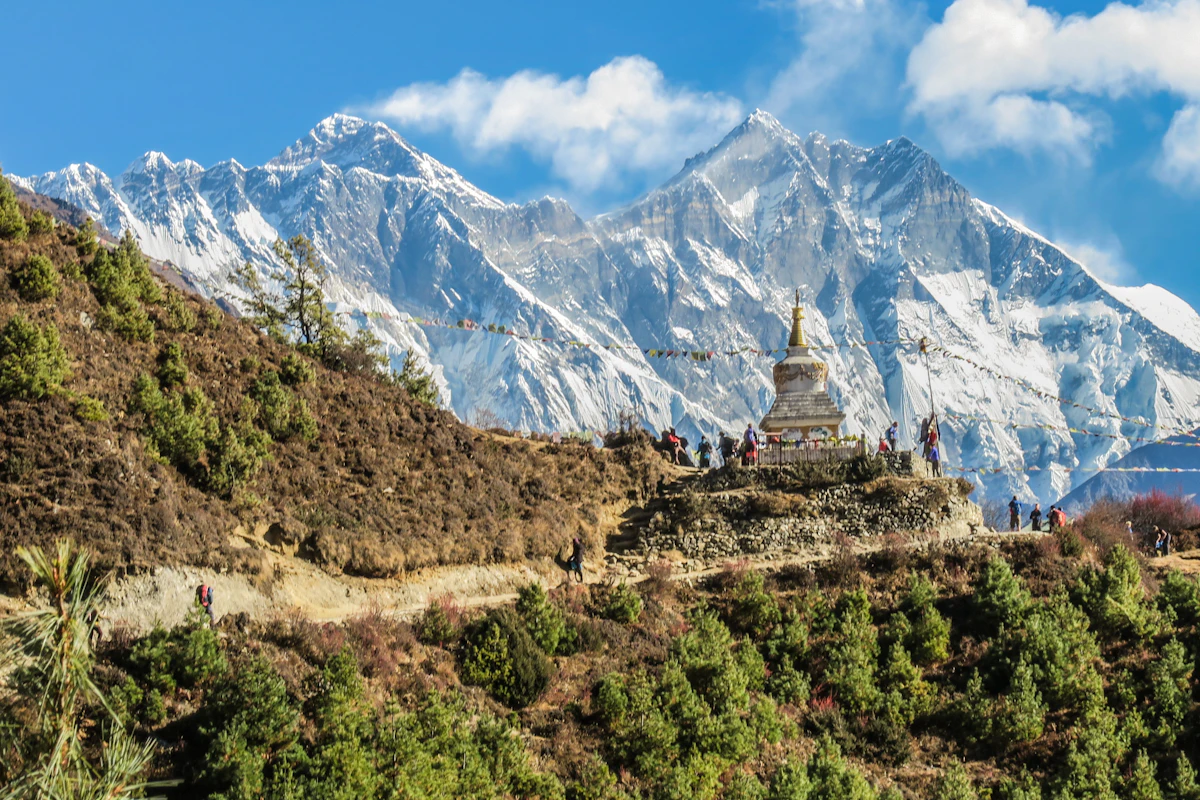
Nepal is home to eight of the world's ten highest mountains, including Everest, and a culture of extraordinary richness built on the intersection of Hinduism and Tibetan Buddhism across millennia. From the Kathmandu Valley's medieval temple squares to the high-altitude silence of the Annapurna Circuit, Nepal offers trekking, spiritual depth, and a warmth of welcome found in few other destinations.
New Hampshire White Mountains
The White Mountains of New Hampshire are New England's most dramatic high-country landscape, a compact range of rocky, windswept summits, glacier-carved notches, cascading rivers, and villages that have hosted mountain travelers since the 19th-century grand hotel era. Visitors come for hiking, fall foliage, and accommodations that range from historic summit-top lodges to remote backcountry huts.

New Zealand South Island
The South Island of New Zealand concentrates some of the southern hemisphere's most spectacular scenery into a single landmass: glaciers calving into fiords, alpine lakes reflecting snow capped peaks, ancient rainforests, and wine country rolling toward a cobalt Pacific. It is a landscape built for adventure and quiet awe in equal measure.
Papua New Guinea
Papua New Guinea is one of the last truly frontier destinations on earth, a vast island of rainforest-covered mountains, remote tribal cultures, and some of the world's most pristine and biodiverse marine environments. For travelers seeking genuine remoteness, extraordinary cultural encounters, and exceptional diving in an utterly untouched setting, PNG remains in a category entirely its own.
Peru & the Amazon
Peru layers Inca civilization, Spanish colonial grandeur, Andean highland culture, and the western Amazon basin into a single extraordinary country. Machu Picchu needs no introduction, but Peru's deeper appeal lies in the lesser-known: the floating islands of Lake Titicaca, the adobe canyon of Colca, and the cloud forest jungle lodges of the Madre de Dios river system.

Rwanda
Rwanda has undergone a transformation that is genuinely extraordinary to witness, from the horror of 1994 to one of Africa's most progressive, clean, and efficiently governed nations in three decades. At its heart lies the Virunga volcanoes, where habituated mountain gorilla families offer one of wildlife travel's most profound encounters. Rwanda has also created Africa's most sophisticated conservation-linked luxury lodge scene.
Seychelles
The Seychelles archipelago, 115 islands scattered across the western Indian Ocean, contains some of the world's most beautiful beaches, the last remaining inland tropical rainforest on a coral atoll, and a marine environment of extraordinary richness. Its [overwater bungalows](/categories/overwater-bungalows) and private island resorts define luxury Indian Ocean travel.
South Africa, Cape Region
The Cape region of South Africa combines one of the world's most beautiful cities with dramatic mountain scenery, exceptional wine country, diverse marine wildlife, and the fynbos biome found nowhere else on earth. Cape Town's location, mountain, city, two oceans, is among the most striking urban settings in the southern hemisphere.
South Carolina Lowcountry
The South Carolina Lowcountry is a slow-moving world of tidal marshes, moss-draped live oaks, barrier islands, and antebellum history stretching along the coast between Savannah and Charleston. Travelers come for the seafood, the silence of the ACE Basin, and accommodations that feel embedded in one of the most hauntingly beautiful landscapes in the American South.
South Dakota Badlands
The South Dakota Badlands are among the most disorienting and beautiful landscapes in North America, a 244,000-acre expanse of eroded buttes, pinnacles, and canyons rising from the mixed-grass prairie like the ruins of a civilization built by geology itself. Beyond the national park, the Black Hills, Wind Cave, and the surrounding Lakota lands offer a layered experience of landscape, wildlife, and history.

Sri Lanka
Sri Lanka packs the cultural density of a subcontinent into an island the size of Ireland. Ancient rock fortresses, UNESCO-listed sacred cities, Ceylon tea highlands, elephant gathering grounds, blue whale ocean, and surf beaches exist within a few hours' drive of each other, and an emerging boutique hotel scene has turned the island's colonial bungalows and tea estate lodges into some of Asia's most atmospheric accommodation.
Northern Thailand
The mountainous north of Thailand offers a world apart from the country's famous beaches, ancient Lanna kingdoms, hill tribe villages, misty jungle valleys, and some of Southeast Asia's most creative boutique hotels set among rice fields and teak forests. Chiang Mai is its cultural heart; the Golden Triangle its wild edge.
Uganda
Uganda is the primate capital of Africa, home to roughly half of the world's remaining mountain gorillas, as well as chimpanzees, golden monkeys, and the extraordinary biodiversity of the Bwindi Impenetrable Forest and Kibale National Park. Intimate gorilla trekking lodges perched in the mist-forest canopy above Bwindi offer some of Africa's most exclusive and emotionally powerful wildlife accommodation.

Vietnam, Hạ Long Bay & Beyond
Vietnam stretches 1,650 kilometres from the Chinese border to the Gulf of Thailand, concentrating an extraordinary range of landscapes, cultures, and cuisines into a single S-shaped country. Hạ Long Bay's karst limestone islands are the iconic image, but the ancient town of Hội An, the rice terraces of Sapa, and the imperial grandeur of Huế reward those who travel the full length of the country.
Virginia Shenandoah
The Shenandoah Valley and surrounding Blue Ridge Mountains form one of the Eastern United States' most beloved landscapes, a rolling expanse of farmland, hardwood forest, and ancient ridge lines threaded by Skyline Drive and the Appalachian Trail. Travelers come for the fall foliage, Civil War history, farm-to-table dining, and a growing culture of vineyard stays and restored farmhouse inns.
Wisconsin Northwoods
Wisconsin's Northwoods is a vast lake-and-forest landscape stretching across the northern third of the state, a region of over 15,000 lakes, old-growth hemlock and pine remnants, wild rivers, and a distinctive resort cabin culture that has defined Midwestern summer escapes for more than a century. Travelers come for fishing, canoe country, and stays in lakeside lodges that feel unchanged from a simpler era.

Zanzibar
Zanzibar is a spice island archipelago off Tanzania's coast where centuries of Arabic, Persian, Indian, and African trade winds have created a culture of unique complexity, most visible in Stone Town's UNESCO-listed medina and the intricate carved doorways of its merchant houses. Its white sand beaches and coral reef waters complete one of East Africa's most complete safari-and-beach combinations.